| What Happens When We’re NOT Running Calls?
When you see an ambulance or fire truck sitting at the station, it may look like nothing is happening.
But readiness is happening.
Fire and EMS aren’t services that can simply open when someone calls 911. We must be staffed, trained, equipped, and ready 24 hours a day, 365 days a year—because emergencies don’t make appointments.
Between calls, our personnel are:
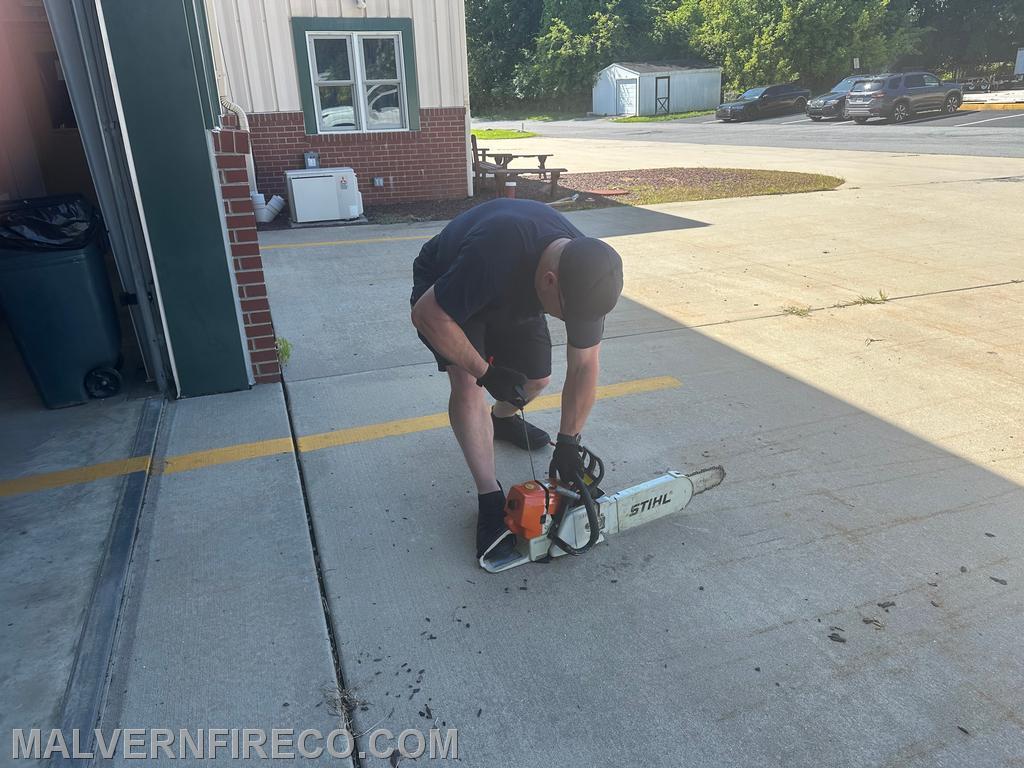
🔹 Checking and maintaining fire apparatus, ambulances, and equipment
🔹 Restocking medications and medical supplies
🔹 Inspecting and testing lifesaving equipment
🔹 Training for fires, medical emergencies, rescues, and major incidents
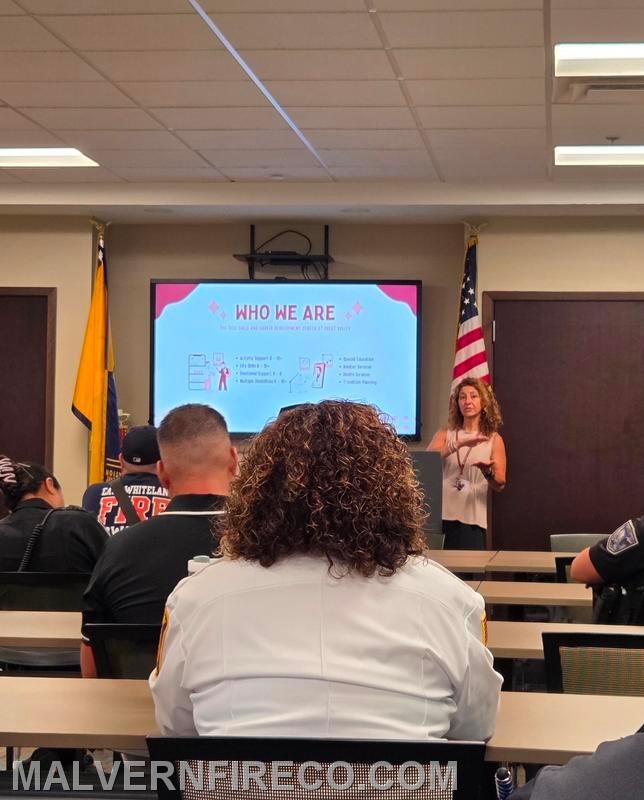
🔹 Completing continuing education and maintaining certifications
🔹 Cleaning and decontaminating vehicles and equipment
🔹 Inspecting hose, SCBA, turnout gear, and rescue equipment
🔹 Reviewing patient care reports and completing required documentation
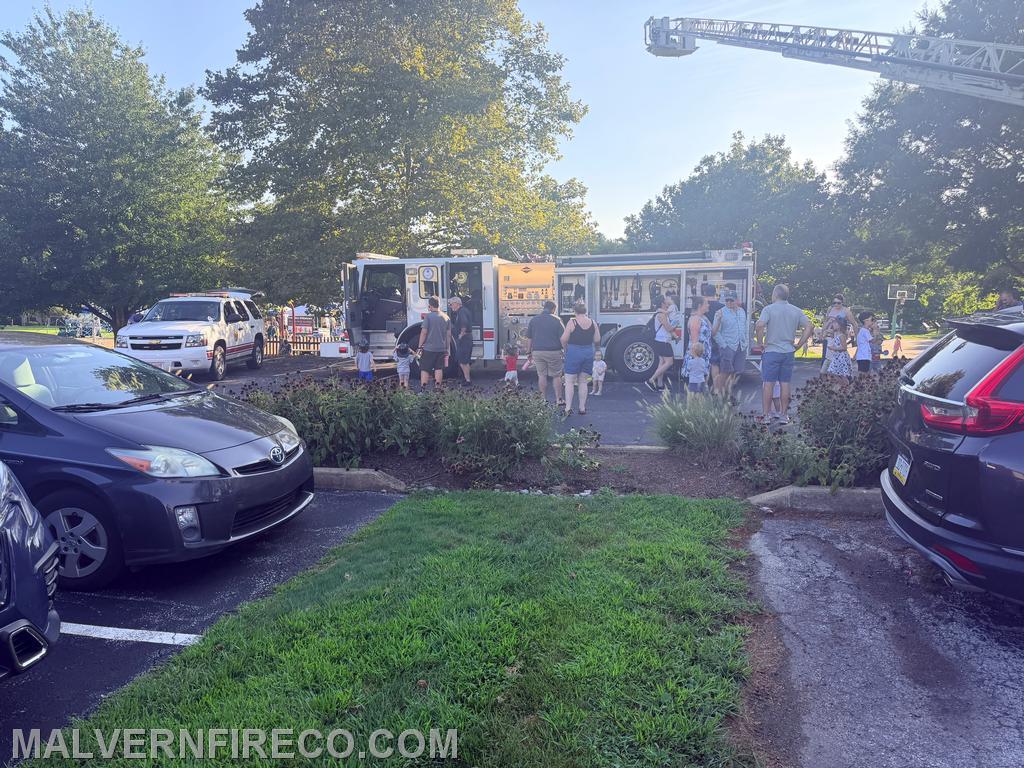
🔹 Planning for emergencies and community events
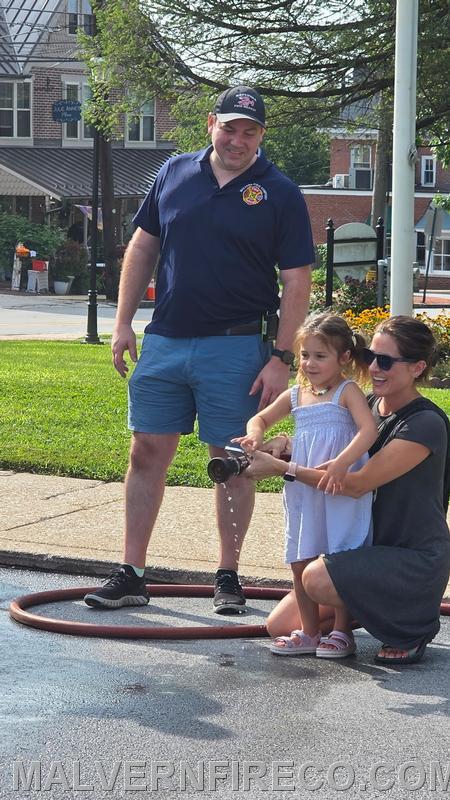
🔹 Conducting public education and fire-prevention activities
🔹 Maintaining the station and preparing for the next call
And sometimes, they're simply waiting.
That waiting has value.
When someone suffers cardiac arrest, when a child can't breathe, when a home catches fire, or when a serious crash occurs, the community doesn't want help available in an hour.
They need it NOW.
That is the true cost of readiness.
Communities aren't simply paying for the emergencies we respond to. They are investing in the people, equipment, training, vehicles, and infrastructure necessary to make sure that when someone's ordinary day suddenly becomes their worst day, trained professionals are ready to answer the call.
🚒 We train.
🚑 We prepare.
🧑🚒 We maintain.
⏱️ We stand ready.
Because readiness isn't downtime. Readiness is the mission. |