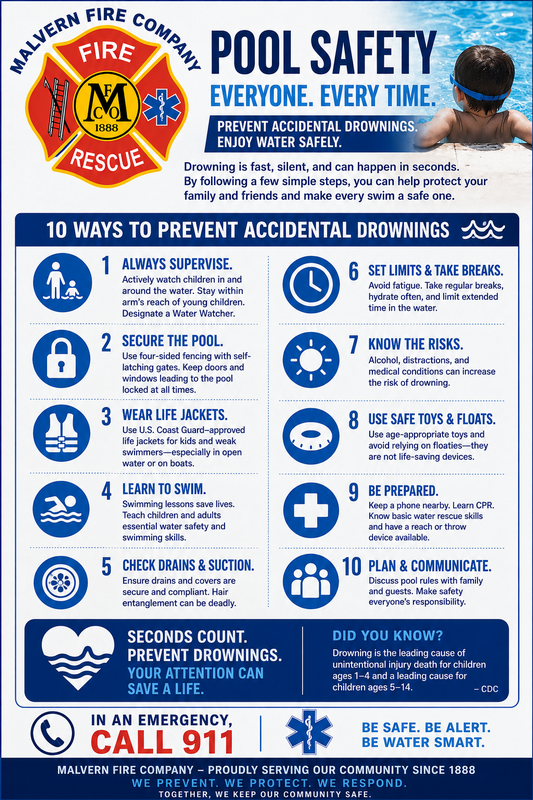
| Secure the pool area by installing barriers. Enclose the pool with a four-sided permanent fence that is at least four feet tall and separates the water from the house and yard. Ensure gates are self-closing and self-latching, with latches placed out of reach of young children. Install alarms on doors and windows that lead to the pool area. Use certified power safety covers when the pool is not in use. Always clear the pool and deck of toys when the pool is not being used to prevent children from wandering over to grab them.
Practice active supervision. When children are in or near the water, assign one adult to be a dedicated water watcher. This person should put away their phone, avoid reading, and focus entirely on the swimmers. Switch watchers every 15 minutes to prevent fatigue. Never swim alone; always use the buddy system, even for adults. Having someone nearby to call for help is a critical life-saving measure.
Prioritize education and emergency preparedness. Formal swimming lessons can significantly reduce the risk of drowning. Enroll children in lessons as soon as it is age-appropriate. Caregivers and older siblings should be certified in CPR so they can respond immediately in an emergency. Keep a life ring, safety hook, and first aid kit mounted right by the pool. Learn to recognize the signs of a swimmer in distress, as drowning is often silent and quick, rather than relying on splashing and yelling.
Adopt smart habits near the water. Swim sober and avoid alcohol or impairing medications before and during swimming, as they cloud judgment and slow reflexes. Individuals with conditions such as epilepsy, heart conditions, or autism are at higher risk of drowning and require one-on-one supervision. When staying at a hotel or vacation rental, inspect the pool area and ensure proper safety measures are in place before allowing access. |