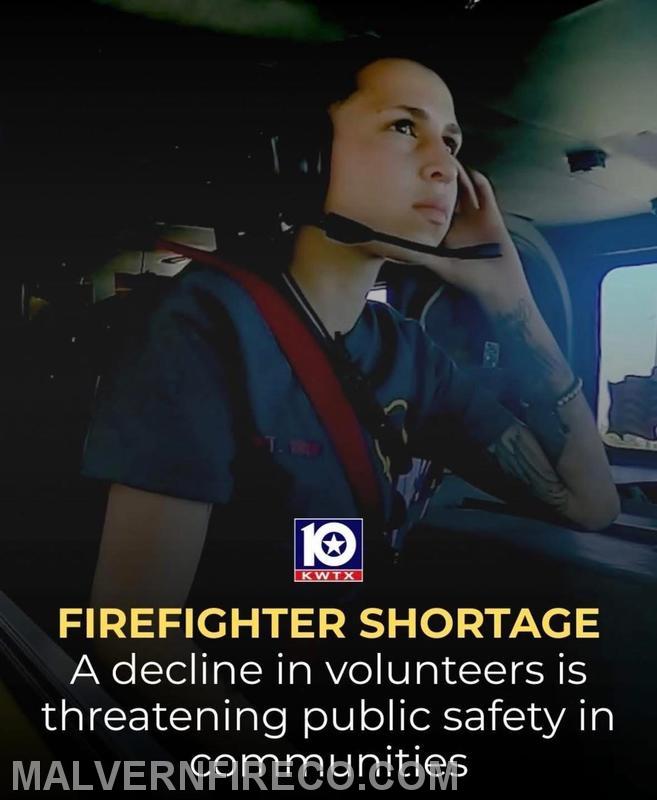
| Across the United States, volunteer EMS and fire departments are facing a steady decline in membership—a trend that has been developing for decades. Several key factors are driving this issue:
Aging volunteers: Long-time members are retiring, with fewer younger individuals stepping in to replace them.
Demanding training requirements: Modern certification standards require significant time and commitment, making it harder for volunteers to participate.
Busy lifestyles: Work, commuting, and family responsibilities leave many people with little free time to volunteer.
Population changes: Rural areas, which rely heavily on volunteer services, are experiencing population decline.
Rising call volumes: EMS agencies are handling far more medical calls than in the past, increasing workload and burnout.
Financial strain: Even volunteer departments face growing costs for equipment, training, and operations.
Mental health challenges: Exposure to trauma, irregular hours, and sleep disruption contribute to stress and attrition.
Shifts in community culture: Overall participation in volunteer and civic organizations has decreased over recent generations.
How Departments Are Responding
To address these challenges, many agencies are adapting with new strategies:
Implementing combination paid/volunteer staffing models( we have been doing this for years)
Offering stipends, retirement benefits, or tuition assistance (not been effective)
Streamlining training requirements while maintaining safety standards ( within the constraints of Commonwealth laws)
Expanding recruitment efforts through schools and community outreach ( minimal success)
The Reality on the Ground
In many communities—especially ours—the biggest obstacle is no longer equipment or funding. It is having enough dedicated individuals willing to respond to emergencies at all hours, year after year. Sustaining volunteer emergency services will require continued innovation, support, and community engagement |