|
|
Why do we have all those fire trucks on calls? |
| By Leadership Team | |
| May 18, 2026 | |
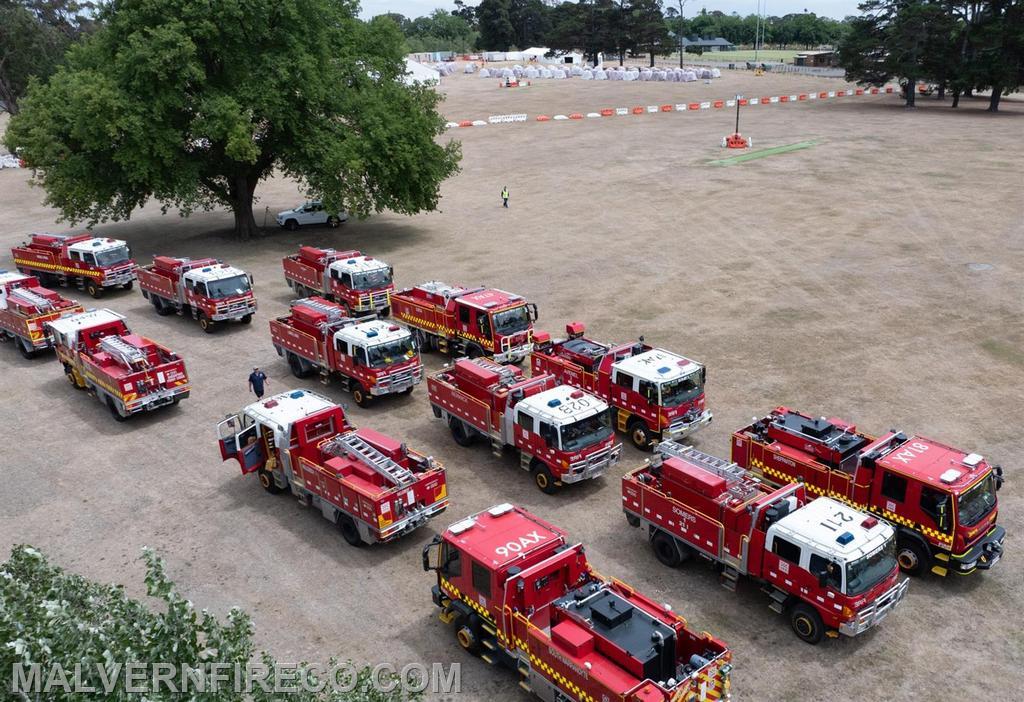
| Mutual aid is more than just a formality or a way for departments to boost their statistics. It is a cornerstone of effective fire service operations. One of the most frequent questions asked by bystanders during major incidents is, “Why are there so many fire trucks here?” Another common question arises when people see a rapid intervention or firefighter assist team waiting on scene: “Why are they just standing by? Is that a problem?” The answer is straightforward. Modern firefighting demands significant manpower, is inherently dangerous, and requires careful planning for the worst-case scenario. Even a single house fire can call for dozens of firefighters within minutes. Tasks include stretching attack lines, searching for people inside, ventilating smoke, securing utilities, checking for hidden fire spread, establishing water supply, managing incident command, providing EMS care, conducting accountability checks, controlling traffic, ensuring firefighter rehabilitation, and keeping rapid intervention teams ready in case of a mayday. Additional challenges like tanker operations, rural water supply, or simultaneous emergencies can increase these needs. National fire service data shows that an effective initial response to a working residential fire typically needs between 15 and 20 or more firefighters just to perform the critical duties safely and efficiently in the first minutes. Many volunteer and combination departments simply cannot provide these numbers on their own at all hours. Staffing changes constantly. Some departments may have strong crews during the day, while others may be short-handed because members are at work, on a different call, in training, or responding from home. Conditions change from day to day and hour to hour. This is what makes mutual aid so important. When emergency calls come in for fires, serious crashes, rescues, or other large-scale incidents, the public does not focus on what agency is providing service. They want to see trained professionals arrive quickly, work together effectively, and do everything possible to protect life and property. Cooperation requires that departments set aside individual pride. The fire service operates at its best when agencies support each other, not when they compete. Mutual aid ensures more personnel, specialized resources, fresh crews, valuable experience, and faster interventions when they are needed most. Incidents every day demonstrate why mutual aid matters. Neighboring companies working together means resources can be deployed quickly, operations can be fully staffed, firefighter safety is prioritized, and property damage can be limited. Ultimately, it is not about patches, uniforms, publicity, or who arrives first. It is about serving our communities together. |
|
|
|